


Menopause is not decline. But your recovery strategy needs to change.
Menopause is not the end of your capacity, but it may be the season where your old recovery strategy stops matching your life.
If you are thinking more seriously about sleep, muscle, brain health, ageing well, and how much longer you can keep running on willpower, this article will help you see why nervous system recovery is not a nice extra. It is part of the foundation.

The capacity shift: Why your go-to stress management fails in perimenopause
If your usual stress tools have stopped working in your 40s, you may not need more discipline. You may need a recovery routine that matches your changing capacity.
Perimenopause can affect sleep, stress tolerance, emotional regulation, and your ability to switch off. This article explores why “stress less” is often useless advice, and how passive recovery tools like BrainTap at Home can support nervous system recovery inside the life you are actually living.

Searching for the Melillo Method? Why some families choose BrainTap at Home instead
If you’ve been searching for the Melillo Method, you’re probably not just searching for a method. You’re searching for a way to help your child feel calmer, sleep better, cope with daily demands, and recover from overwhelm. This article will help you understand what the Melillo Method is, what Neurobalance Clinic does differently, and why BrainTap at Home may be a more practical starting point for families who want gentle, brain-based regulation support.
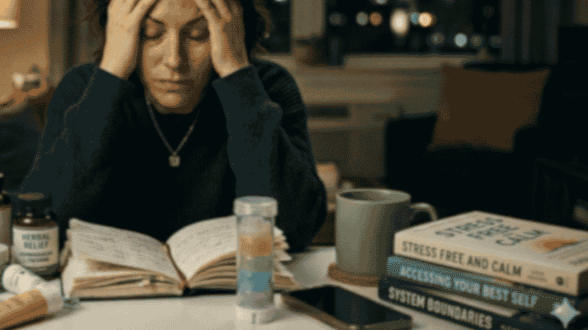
Why self-care is dead (and what to do instead)
If traditional self-care feels like just another chore on your endless to-do list, you aren't failing — the wellness industry is. Grounded in behavioural science and neurotech insights, this article explores the "Addition Bias" that turns stress management into extra homework, why your brain is physically too exhausted to meditate, and how to truly support nervous system recovery through the power of subtraction.

How does BrainTap differ from white noise, binaural beats on YouTube, or standard meditation apps?
If you are searching for white noise, brown noise, pink noise, binaural beats or brainwave music, you are probably trying to solve a very specific problem: your brain is not shifting state when you need it to. You want to sleep, focus, calm down, recover, or switch off, but ordinary rest is not cutting it. The problem is that the wellness internet sells every sound as if it has the same effect. It does not.

What does it mean when slowing down feels uncomfortable?
If rest does not feel restful, there’s probably a reason - especially after long periods of stress, pressure, constant input or anxiety. This quick read explains what “slowing down” means in the nervous system, why stillness can feel uncomfortable, and how structured passive recovery tools like BrainTap may help make recovery easier to access.
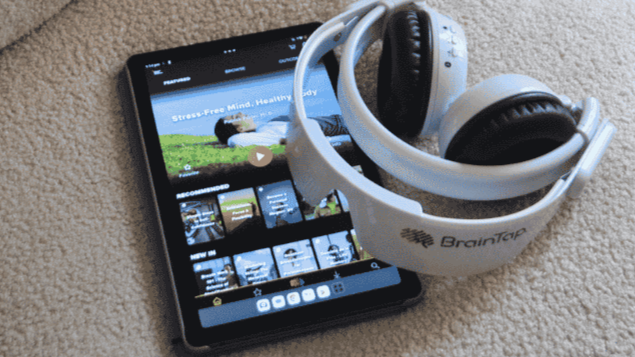
Is BrainTap safe? Who should avoid it, and how should you start?
Wondering if BrainTap is safe for you or your child? Learn who should avoid BrainTap, when to seek medical advice, how children and neurodivergent users can start gently, and what to know before using BrainTap at home for stress, sleep, anxiety, focus or nervous system support.