


The capacity shift: Why your go-to stress management fails in perimenopause
If your usual stress tools have stopped working in your 40s, you may not need more discipline. You may need a recovery routine that matches your changing capacity.
Perimenopause can affect sleep, stress tolerance, emotional regulation, and your ability to switch off. This article explores why “stress less” is often useless advice, and how passive recovery tools like BrainTap at Home can support nervous system recovery inside the life you are actually living.

How does BrainTap differ from white noise, binaural beats on YouTube, or standard meditation apps?
If you are searching for white noise, brown noise, pink noise, binaural beats or brainwave music, you are probably trying to solve a very specific problem: your brain is not shifting state when you need it to. You want to sleep, focus, calm down, recover, or switch off, but ordinary rest is not cutting it. The problem is that the wellness internet sells every sound as if it has the same effect. It does not.
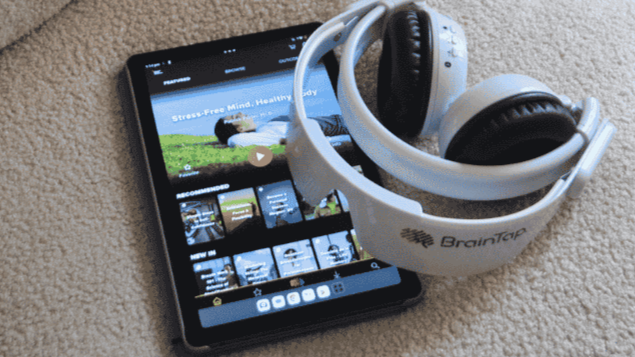
Is BrainTap safe? Who should avoid it, and how should you start?
Wondering if BrainTap is safe for you or your child? Learn who should avoid BrainTap, when to seek medical advice, how children and neurodivergent users can start gently, and what to know before using BrainTap at home for stress, sleep, anxiety, focus or nervous system support.